


News

- News
- 8 Common FAQs of Hot Runner System


8 Common FAQs of Hot Runner System
A hot runner system is not simply a more advanced mold configuration. The right runner system should be selected based on the resin, number of cavities, expected production volume, runner weight, cosmetic requirements, frequency of color or material changes, and the overall production plan. Below are some of the most common questions customers ask when evaluating hot runner systems for injection molding.
Q1 | What is a hot runner system?
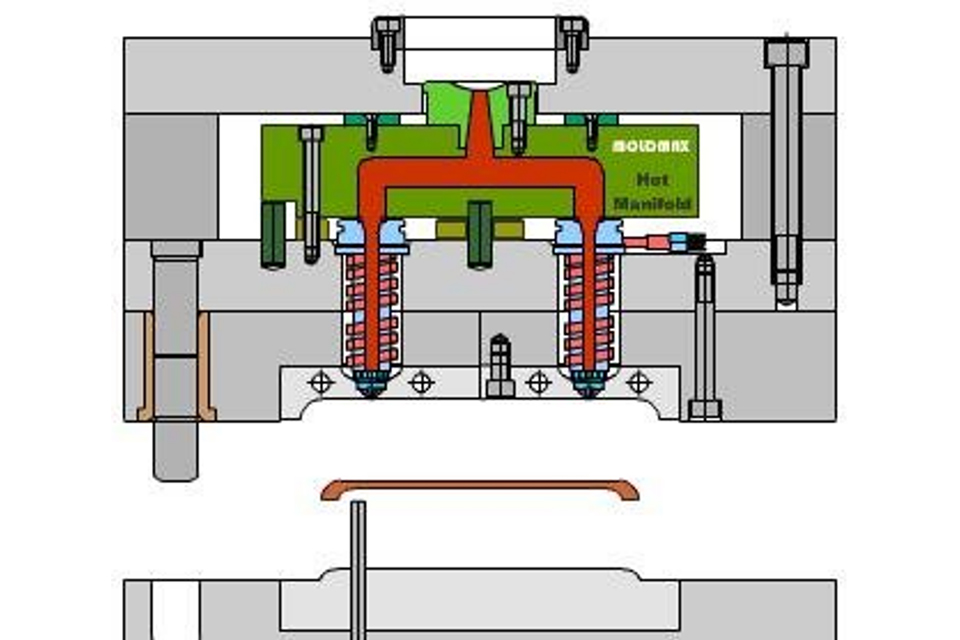
A hot runner system uses controlled heating throughout all or part of the mold runner system to keep the plastic resin molten until it enters the mold cavity. Unlike a cold runner system, the runner does not need to cool and solidify with every molding cycle. This can significantly reduce the amount of solid runner material generated during production.
Q2 | What is the difference between a hot runner and a cold runner?
The main difference is the condition of the plastic inside the runner. In a hot runner system, the resin is kept molten by controlled heating. In a cold runner system, the runner cools and solidifies together with the molded part and normally needs to be removed after the mold opens. Neither system is universally better; the appropriate choice depends on the part design and production requirements.
Q3 | Can a hot runner system really reduce material consumption?
Yes. A hot runner system can reduce the solid runner material that is generated in a conventional cold runner mold. The potential savings become more significant when the molded parts are small, the mold has multiple cavities, the runner-to-part weight ratio is high, or higher-cost engineering resins are used in high-volume production.
Q4 | Why does a hot runner mold usually cost more?
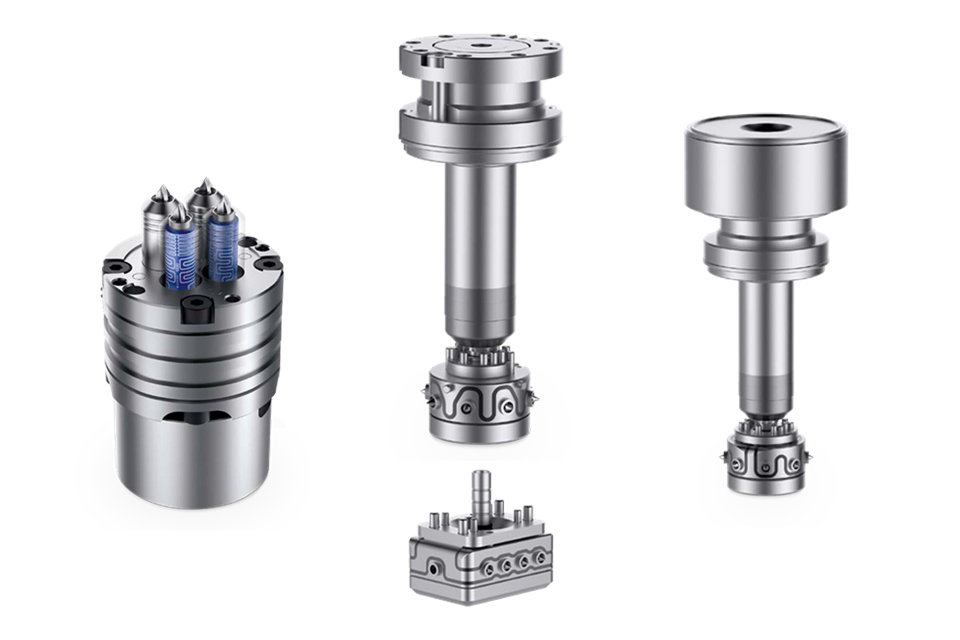
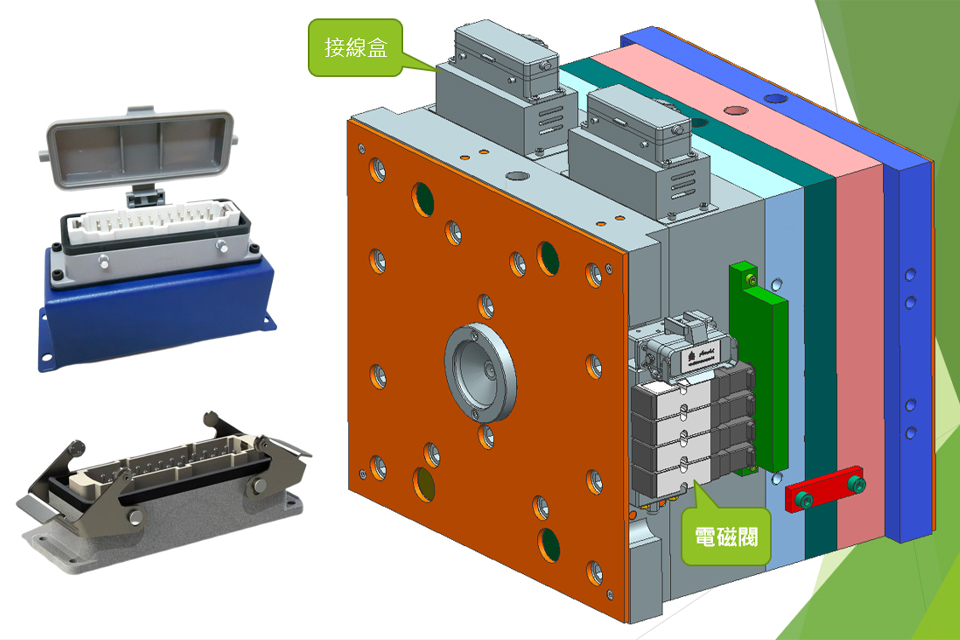
In addition to the mold itself, a hot runner system may require hot nozzles, a manifold, heating elements, temperature control equipment, wiring, and other related components. The mold structure, machining, electrical integration, temperature control, and maintenance requirements are also more complex. For these reasons, the initial tooling cost is generally higher than that of a comparable cold runner mold.
Q5 | Is a hot runner system always necessary for high-volume production?
No. Production volume is only one of the factors that should be considered. Resin type, cavity count, part size, runner weight, cosmetic requirements, cycle time, automation requirements, and the frequency of color or material changes should also be evaluated. High-volume production may improve the economic benefit of a hot runner system, but it does not mean every high-volume part must use one.
Q6 | Is a hot runner suitable for products that require frequent color changes?
It requires careful evaluation. Because molten resin remains inside the hot runner system, color or material changes may require additional purging time and material. For products produced in small batches with frequent color changes, the time and resin consumed during purging may offset some of the production advantages of a hot runner system.
Q7 | What are the common types of hot runner systems?
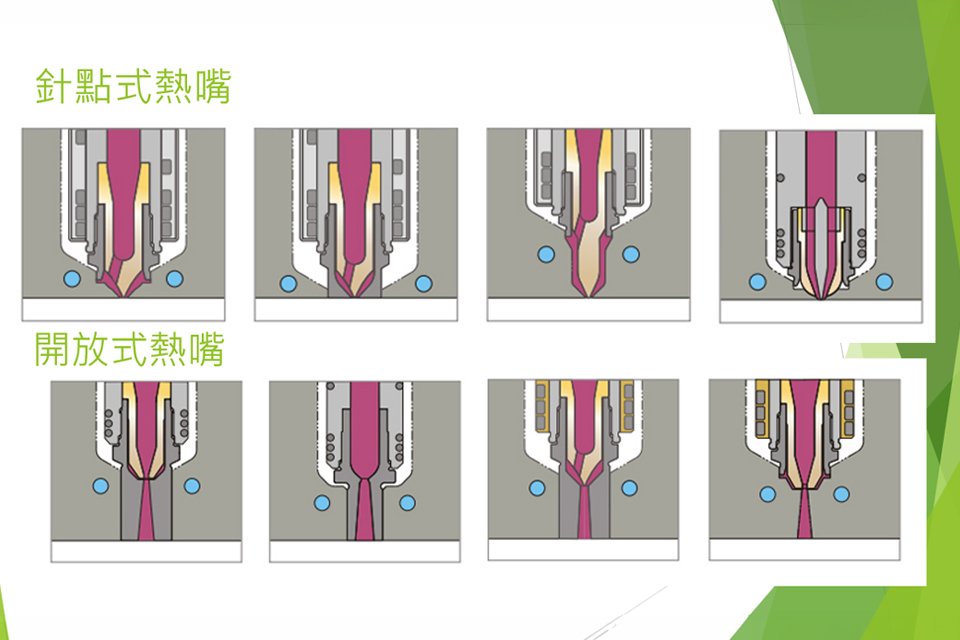
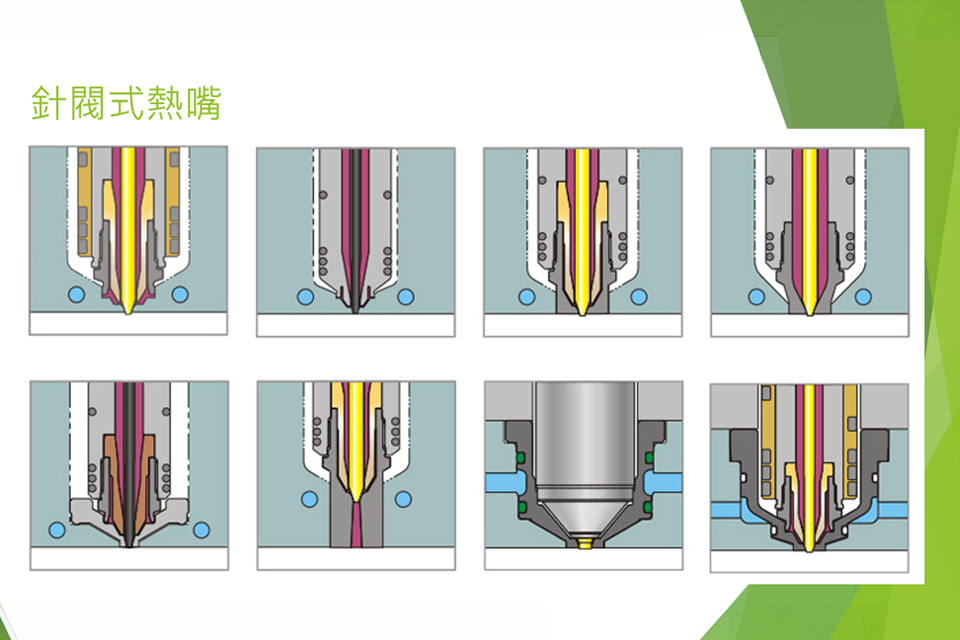
Common configurations include open-gate hot nozzles, pinpoint hot nozzles, and valve gate systems. Special multi-point hot runner designs may also be used for specific applications. The selected system can affect gate appearance, melt-flow control, mold structure, and part quality, so the choice should be based on the resin, part size, gate location, and cosmetic requirements.
Q8 | How can I determine whether my product is suitable for a hot runner system?
For an initial evaluation, it is helpful to provide the product's 2D/3D drawings or a physical sample, resin specification, estimated annual volume, order quantity, expected cavity count, cosmetic and gate requirements, frequency of color or material changes, and any cycle-time or automation targets. With this information, the mold maker can evaluate the tooling investment, material usage, production efficiency, and long-term maintenance requirements together.
Planning a new injection mold but not sure whether to use a hot runner or cold runner system?
Send us your product drawings, resin specification, and estimated production volume. CHII LEE can help evaluate the appropriate mold and injection molding solution based on mold structure and production requirements.
CHII LEE ENTERPRISE CO., LTD.
Plastic Injection Mold Design · Mold Manufacturing · Injection Molding
www.chiilee.com